
Renting a Lakeside Cottage for the First Time: Booking, Boats and What's Usually Included
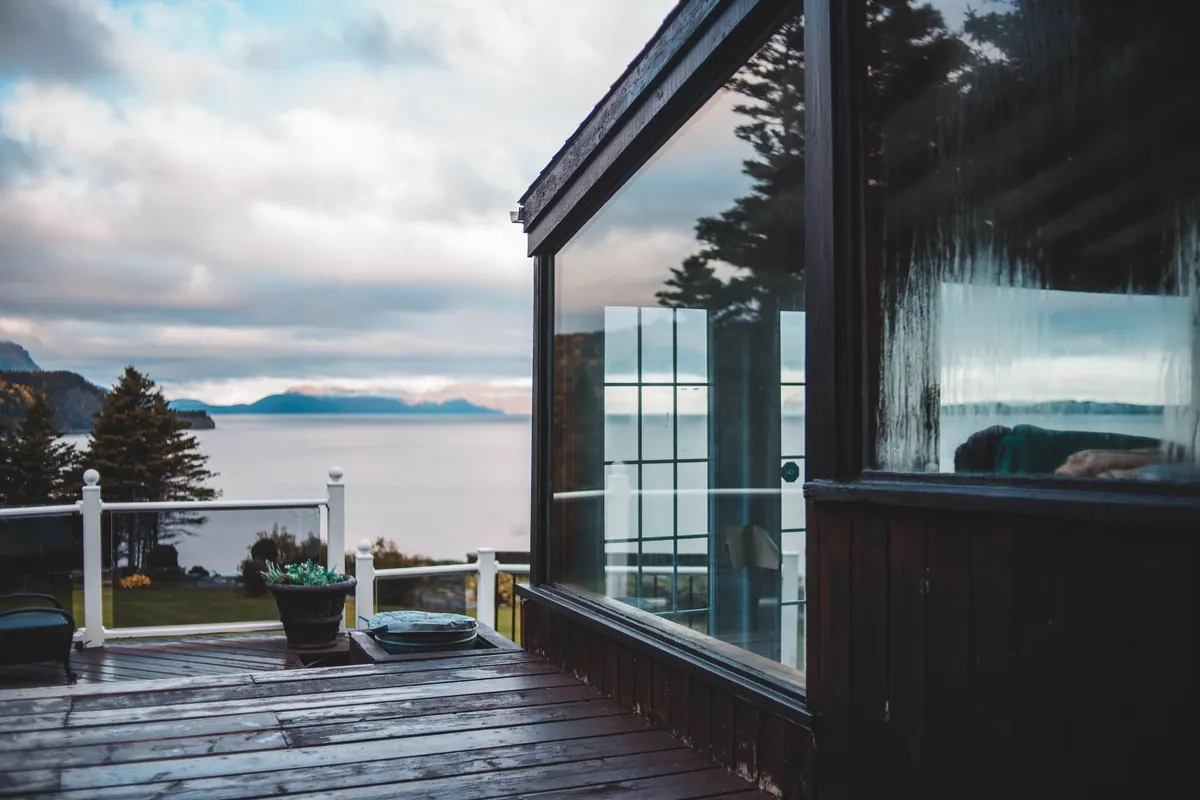
You find the listing on a Tuesday night: a cedar deck, a dock, water the colour of weak tea, a canoe pulled up on the rocks. You book it in ten minutes. Then you spend three weeks wondering whether the "fully equipped kitchen" includes a coffee filter, whether the boat comes with fuel, and what that service fee actually covers. Renting a lakeside cottage is not complicated, but it rewards a little homework before you click reserve.
Read the Listing Like a Skeptic
Listing language is written to sell, not to inform, and the gap between the two is where first-timers get caught. "Lakefront" should mean the property touches the water. "Lake view" can mean you can see a sliver of it from the upstairs bathroom. "Water access" sometimes means a shared right-of-way three properties down a gravel road — perfectly fine, but not what you pictured.
Open the address in a satellite map. Check how close the neighbours are, whether the shoreline is sand, rock or marsh, and where the nearest boat launch sits. Zoom out to look for a highway, a rail line or a quarry within earshot. Reviews are your best source for this; guests mention trains, barking dogs and thin walls far more readily than owners do.
Read the calendar notes too. Late spring means black flies in many regions, midsummer can bring algae warnings on shallow lakes, and late summer can drop water levels on reservoirs and river-fed lakes — which matters if the dock is your whole reason for booking.
Questions to Ask Before You Pay a Deposit
A quick message to the owner costs nothing and usually gets a straight answer. Ask in writing and keep the replies.
- Is the water safe to swim in, and has it been tested recently?
- Is drinking water provided, or should we bring our own?
- What exactly is in the kitchen — coffee maker type, kettle, dishwasher, barbecue propane?
- Are linens and towels included, or should we bring sheets?
- How many beds, and what sizes? Does "sleeps eight" count a sofa bed?
- Is the dock private or shared, and is there a shallow entry for kids?
- Which boats come with the rental, and are fuel, paddles and life jackets included?
- What's the total cost with taxes and fees, and when is the damage deposit returned?
- What's the cancellation policy?
- How is garbage handled, and is there a limit on what we can leave?
What's Usually Included — and What Often Isn't
Cottage rentals sit somewhere between a hotel and an empty house, and the line moves with each owner. In most self-catering lake cottages you can reasonably expect a working kitchen with dishes and cookware, a fridge and stove, a barbecue, basic cleaning supplies, and outdoor seating. Many also include a firepit, a canoe or two, and a shelf of board games and paperbacks that smell faintly of woodsmoke.
Assume the opposite for anything consumable or personal. Toilet paper, paper towels, dish soap, coffee filters, spices, foil, firewood and propane are frequently not provided, or only a starter amount is. Linens are a coin flip: some owners supply sheets and towels, others charge a linen fee or ask you to bring your own. If towels are provided, they are usually not for the beach.
The things owners rarely advertise
Ask about water source and septic. Many cottages run on a well, which can mean low pressure when several people shower at once, and a septic system that does not appreciate wipes, grease or long showers. Cell coverage and internet can be spotty, sometimes deliberately so. Knowing this in advance turns a potential complaint into a plan.
Boats, Docks and Getting on the Water
Watercraft cause more misunderstandings than anything else, because "boat included" can mean a paddleboat or a sixteen-foot aluminum with a motor.
Human-powered boats
Canoes, kayaks and paddleboards are usually free to use and stored at the dock. Check how many there are, whether paddles and both adult and child life jackets are included, and what condition the hulls are in. If you are unsure, ask for a photo.
Motorboats
If a motorboat or pontoon is part of the deal, ask who supplies the fuel, whether it comes full or empty, and what happens if something breaks mid-week. Boating rules vary by country, state and province, and some places require a licence, a safety card or a minimum age to operate. Confirm local requirements with the owner, the rental agency or the relevant authority before you arrive rather than assuming your home rules apply. For anything with legal or insurance implications, check with the licensing body or your insurer.
Docks and swimming
Ask about dock condition, water depth at the end of it, and whether the bottom is sand, rock or weeds. If you are bringing small children, ask about drop-offs and shallow entry. Bring water shoes; sharp rocks and lake-bottom muck are easier to handle with them.
Fees, Deposits and the Real Final Price
The nightly rate is rarely the number you pay. Expect a cleaning fee, a per-pet charge at pet-friendly properties, possibly a fee for extra guests, a damage deposit or waiver, and local lodging taxes. Add boat fuel and firewood if you plan to use them. Before sending money, ask for a written total that includes every line item, along with the refund terms for the deposit and the policy on early departure.
Never pay by a method that offers no recourse. Transfers to a private individual are hard to reverse. Use the platform's own payment system or a traceable method, and if a deal looks unusually cheap for the location and season, slow down and verify the property independently. Read the terms before you sign, and get advice if something seems off.
A First-Timer's Checklist for Arrival Day
Shop before the last stretch of road; the nearest grocery store is often farther than the map suggests. Arrive in daylight if you can, so you can find the dock, the breaker panel and the water shut-off. Read whatever the owner leaves out about the septic and the garbage — those two systems cause most of the awkward end-of-week conversations.
Then put the phone down. The list of things that can go wrong on a first cottage rental is long, but nearly all of them are small, and nearly all of them are solved by asking one question before you book rather than three after you arrive.
Photo: Erik Mclean / Pexels