
Lochside Living in Winter: What Actually Changes When the Season Turns
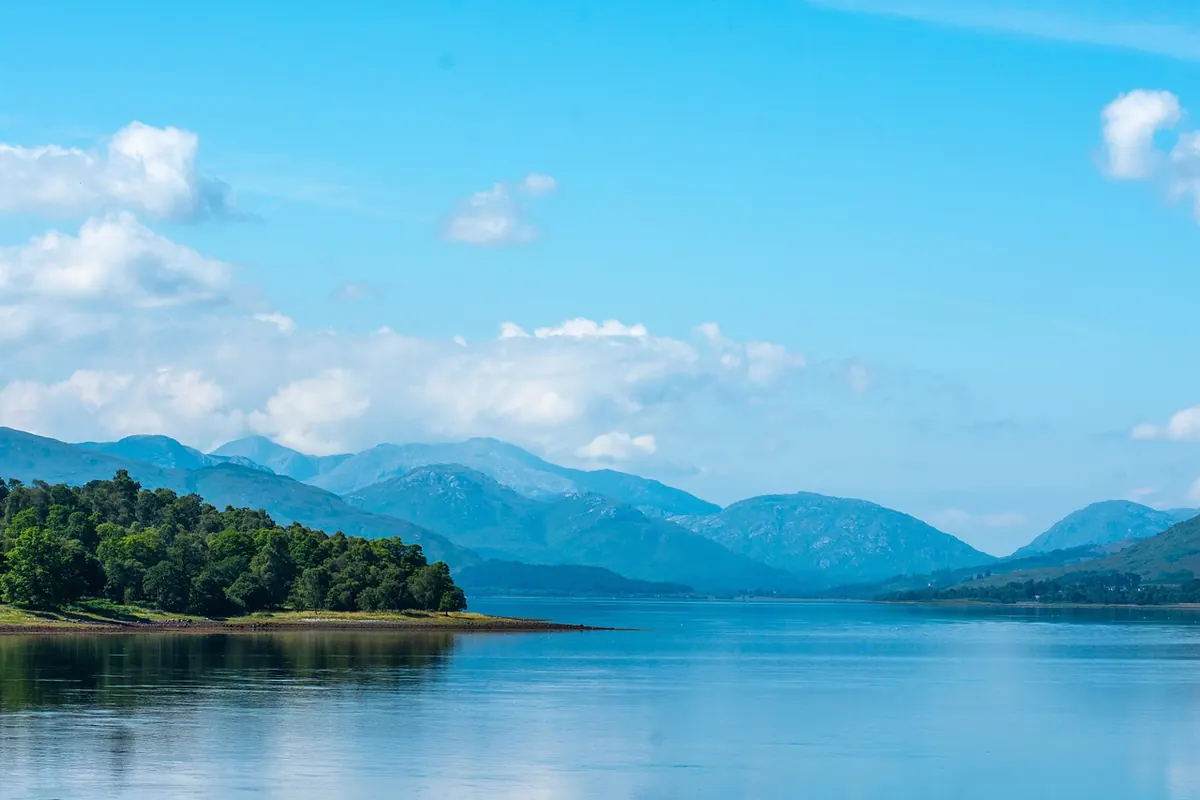
The first hard frost on a Scottish loch does not arrive quietly. One morning the reeds by the jetty are rimed white, the water has gone the colour of gunmetal, and the midges that ruled July have vanished entirely. What follows, from November through to March, is a different kind of living: shorter days, heavier fuel use, and roads that demand a bit of respect. None of it is unmanageable. It simply helps to know what changes before it changes on you.
The Road In and Out
Gritters in Scotland prioritise A and B roads, and they get to them at the times that matter for commuters and school runs. A single-track road winding along a loch shore is usually further down the list, and a private shared track may not be on the list at all. The result is that a ten-minute drive in July can take half an hour in January, or become impossible for a day or two.
Single-track driving has its own winter etiquette. Pull into a passing place early rather than hoping the other driver will, and if the passing place is on your left, use it, even if that means stopping. Wait there while the other car comes through. On ice, both of you stopping is far better than both of you guessing.
Higher routes can close at snow gates, and they close fast. Check the Traffic Scotland website or app before setting out, and treat a closed gate as closed. People who ignore them regularly need rescued, and that puts volunteers out in the worst weather of the year.
What to keep in the car
A small kit in the boot costs little and gets used more than you would expect:
- A shovel with a proper handle, not a folding toy
- A bag of grit or road salt
- De-icer and a scraper you can hold with gloves on
- A torch or head torch, plus a spare set of batteries
- Warm boots, a blanket and a charged phone cable
- A flask of something hot on longer journeys
Fill the tank when it drops below half, not when the warning light comes on. In winter, the nearest filling station is always further away than you think.
If you share a track
Shared tracks work best when the arrangements are agreed in October, not argued about in February. Who ploughs? Who pays for the gravel that gets scraped off the surface each year? Where does the grit pile live so everyone can reach it? One practical rule: never push snow into a neighbour's drainage or across their access. Water has to go somewhere, and a blocked culvert will be your problem by the thaw.
Heating a House That Isn't on the Gas Grid
Most lochside homes run on oil, LPG, wood or electricity, and every one of those needs forward planning in winter. Oil tanks empty at the least convenient moment, usually during a cold snap when every delivery vehicle in the region is booked out. Check the level monthly and order before you need it. For wood, the seasoned logs you bought in spring are worth more than the kiln-dried bags you panic-buy in January.
The bigger issue on a loch shore is damp. Cold air off the water plus warm indoor air equals condensation, and condensation in a cold corner becomes mould. Seal draughts and hang heavy curtains, but do not seal the house completely. Trickle vents, a cracked window after a shower and open internal doors all let moist air move rather than settle on the north wall.
Lag exposed pipes, particularly in outbuildings, garages and any run along an external wall. If a hard freeze is forecast and pipes run through a cold space, letting a tap drip can be cheaper than a plumber's emergency call-out. Know where your stopcock is before you need it. If your fuel bills are becoming difficult, speak to an accredited energy adviser rather than relying on forums; the advice is free and specific to your property.
Daylight, and How You Spend It
In December, much of the Highlands gets roughly six and a half hours between sunrise and sunset, and the far north gets less. It is dark by half past three. That single fact reshapes the day. Errands get done in the morning. The walk happens at eleven, not at four. Dinner drifts earlier and the fire gets lit sooner.
Lighting matters more than most people expect. Warm lamps in the rooms you actually use, a lamp on a timer so you don't come home to a black house, and proper outdoor lighting on the path and steps. Ice on a dark path is how most winter injuries happen around a loch.
If the short days affect your mood in a way that feels bigger than a bit of grumpiness, that is worth taking seriously and worth talking to a GP about. Otherwise, the reliable trick is to get outside in the middle of the day, even in bad weather. An hour of grey loch light at noon does more for most people than any amount of sitting by a window.
Storms, Outages and Frozen Pipes
Overhead power lines and lochside trees are not a good combination. Outages can last an hour or three days, so plan for the awkward end of that range. Keep torches in a fixed place rather than hunting for them in the dark. Charge battery packs when a storm is forecast. A battery radio still gives you local updates when the mobile signal drops.
If your water comes from a private supply or a borehole with a pump, a power cut means no water at all. Filling the bath, or a few large containers, before a named storm arrives is a habit worth building.
A wood burner earns its keep in an outage, giving you heat and a surface to cook on. Generators work too, but they need ventilation, correct fuel storage and proper connection by an electrician. Never run one indoors or in an attached garage.
Community Life Moves Indoors
Something counterintuitive happens in a lochside village in winter. The roads empty and the visitor numbers fall, but the social calendar often gets busier. Village halls fill up with ceilidhs, quizzes, coffee mornings and Christmas fairs. The pub is quieter midweek and packed on a Friday. People who spent summer working flat out finally have time to stand and talk.
This is also when neighbours matter most. Checking on someone living alone, offering a lift when the track is bad, or clearing a path for an older resident takes twenty minutes and means a great deal. Reciprocate when you can.
Ferry timetables shrink in winter, and sailings get cancelled for weather. If you live on an island or depend on a crossing for work, build slack into every plan and keep a bag in the car with a change of clothes.
A Quieter Loch
The water itself changes character. Whooper swans and greylag geese arrive, goldeneye and other diving ducks appear, and otters are easier to spot on still, quiet mornings. Boats come out, outboards get winterised, and moorings want checking after every gale.
If the surface freezes, stay off it. Loch ice is famously unreliable, thin at the edges and unpredictable where currents run underneath. Looking at it from the shore is the correct approach. The compensation is the light: low sun, frost on the reeds, and the best photography conditions of the year.
A Workable Winter Routine
Winter living on a loch is not difficult once it becomes routine. Check fuel on the first of the month. Keep grit and a shovel by the door. Look at the forecast before any drive and the traffic app before any journey over a high route. Walk in the middle of the day. Have one standing arrangement with a neighbour, whether that is sharing a grit delivery or checking in during storms.
By February you will be reading the loch the way you read a road: knowing which way the wind has to blow for the far shore to disappear, and roughly how long the track will take to clear. That knowledge is what turns a hard season into a good one.
Photo: dkean271 / Pixabay