
Loch Lomond vs. Loch Ness: Comparing Cost, Access and Everyday Life for Would-Be Residents
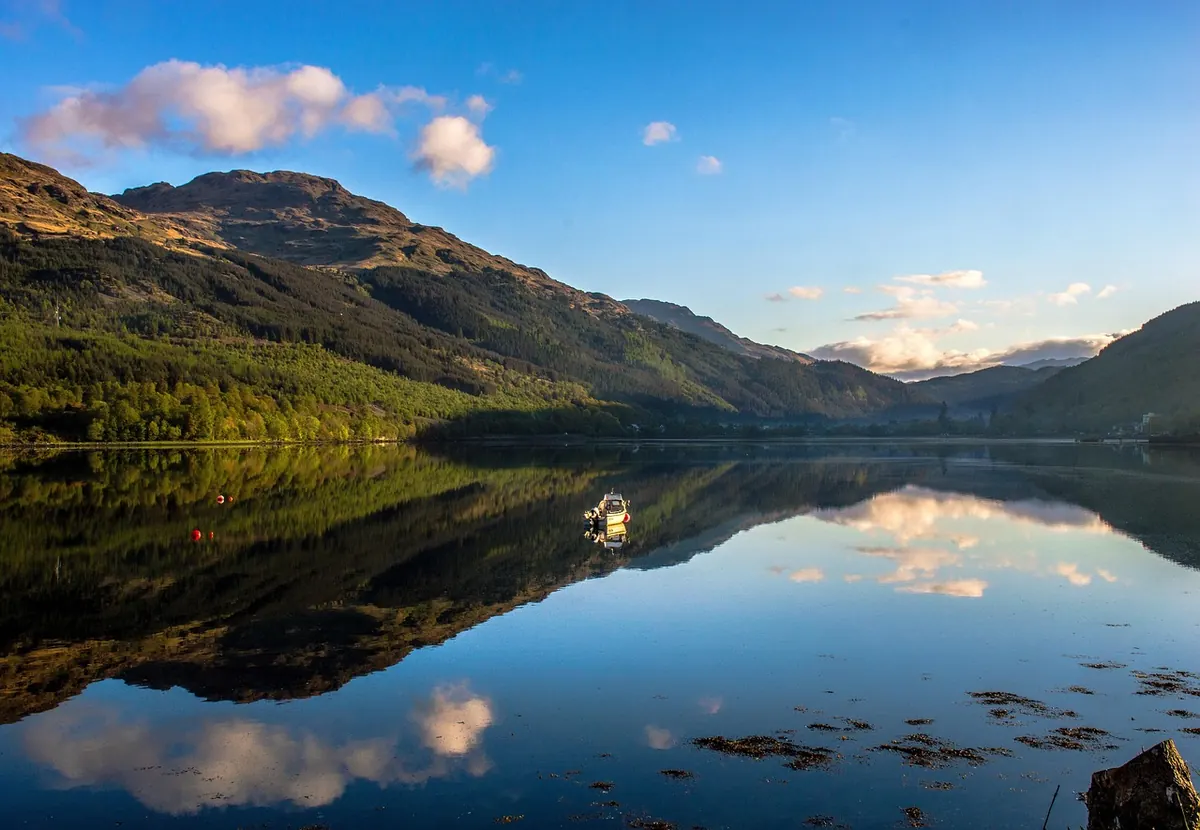
Two lochs, one postcard each. Loch Lomond is the one you can reach from Glasgow before your coffee goes cold. Loch Ness is the one a short drive from Inverness, with a monster on the road signs and a great deal more empty space around it. Both offer water views, hill walks and mornings that feel slower than the city. They deliver those things in very different ways, and the difference turns up in your mortgage, your commute and your Saturday routine.
It is worth saying at the start that scenery is rarely the deciding factor. Nobody moves to either loch and regrets the view. What people regret is discovering, in their second winter, that the nearest late-opening shop is thirty-five minutes away, or that the bus they were relying on runs four times a day from October onwards. So it pays to compare the two as places to live rather than places to visit.
The short answer, at a glance
If you want a commute you can do without owning a second car, look south. If you want more house for your money and don't mind driving for everything, look north.
- Loch Lomond: roughly half an hour from Glasgow's western suburbs, inside a national park, pricier, and genuinely busy with day-trippers on sunny weekends.
- Loch Ness: twenty to thirty minutes from Inverness along the A82, spread across a string of villages, generally cheaper, with tourism concentrated in a few hot spots.
- Best for commuting: Loch Lomond, comfortably.
- Best for space per pound: Loch Ness, usually.
- Quietest on a July afternoon: the south-east shore of Loch Ness, if you pick the right village.
What your money buys
Around Loch Lomond, the national park label does a lot of work. Villages such as Luss and Gartocharn carry a premium; Balloch, Alexandria and Bonhill are more ordinary, with terraces and semis within a short walk of the water. Drymen and Killearn pull in buyers who want countryside plus a fast run into Glasgow. Anything with a private beach or a mooring is a different market entirely, and it moves quickly.
The practical effect is that Loch Lomond splits into three price bands. The shore itself, the conservation villages and anything with a jetty sit at the top. Inland villages a few minutes back from the water sit in the middle. The towns at the southern end — Balloch, Alexandria, Bonhill, Renton — are where most first-time buyers and young families actually land, because they combine water access with ordinary housing stock. You are not buying a postcard there, but you are buying a fifteen-minute walk to the loch shore and a train station at the end of it.
On Loch Ness, your options are mostly villages: Drumnadrochit and Lewiston at the north end, Invermoriston and Fort Augustus along the middle, Dores and Foyers on the quieter south-east side. Prices are typically softer than Loch Lomond's, though a castle view or a slipway is priced accordingly. Each village has its own character. Drumnadrochit is the busiest, with a visitor centre, cafés and a steady stream of coaches. Fort Augustus is handsome and tourist-heavy in summer, quieter and slightly cut off in winter. Foyers and Inverfarigaig are steep, wooded and genuinely peaceful. Dores has a beach, a decent pub and the shortest run into Inverness.
Many buyers end up comparing these villages with Inverness suburbs instead, because the drive is short and the services are better. That is a fair comparison to make. The trade is space and quiet against convenience and choice.
Estate agents on both lochs will tell you the same thing: buyers arrive talking about views and leave talking about heating systems.
Whatever you view, ask about the unglamorous things: heating oil or LPG rather than mains gas, a private water supply, a septic tank, a roof that has not been touched in thirty years, and whether the property or its access road has ever flooded. In Scotland the seller provides a Home Report and properties are usually marketed at "offers over", so appoint a solicitor before you fall in love with a house. Buying is a legal and financial commitment; take advice from a regulated solicitor and, if you need a mortgage, an independent adviser. Rural properties can also be slower to sell, so think about your exit as carefully as your entrance.
Getting there and getting around
By road
The A82 runs the length of Loch Lomond on its western shore. It is a beautiful road and a slow one, and in summer it is thick with coaches, campervans and cyclists, so a journey that takes forty minutes in March can take nearly twice as long in July. The A811 and the A809 offer inland alternatives through Drymen and Killearn, and once you reach Balloch the motorway network opens up Glasgow, Stirling and the airport.
Loch Ness has a similar single-artery problem. The A82 from Inverness to Fort Augustus is the main route, and beyond Fort Augustus it turns west toward Fort William rather than continuing down the loch. Villages on the south-east shore are reached by single-track roads with passing places. Inverness is genuinely close — twenty to thirty minutes from Drumnadrochit — but tourist traffic in summer, occasional landslips and winter ice can stretch that considerably.
By public transport
This is where the two diverge most sharply. Balloch has a railway station with direct trains into Glasgow, plus a reasonable local bus network covering Alexandria, Dumbarton and the surrounding towns. Further up the loch the options thin out fast; Arrochar and Tarbet sit on the West Highland Line, but services are infrequent and a car is effectively essential. On Loch Ness, buses link Inverness with Drumnadrochit, Invermoriston and Fort Augustus, but timetables are thin, particularly out of season, and a house a mile off the main road can feel very remote without a car. If you are a one-car household, the southern end of Loch Lomond is the only part of either shoreline where that is comfortably realistic.
Everyday life: schools, shops and services
Both areas are rural, but they are rural in different ways, and the daily logistics vary more than the house prices do.
- Schools: most villages have a primary school, often small and well regarded. Secondary pupils usually travel — towards Alexandria and Dumbarton from the Loch Lomond side, or into Inverness from Loch Ness. Catchment areas matter, and so does the school bus timetable, which can shape your whole morning.
- Shops: Balloch and Alexandria have supermarkets, a retail park and a full range of services. On Loch Ness, Drumnadrochit has a small supermarket and a petrol station, Fort Augustus has a handful of shops and a post office, and serious shopping generally means a trip to Inverness.
- Healthcare: GP surgeries sit in the larger villages, with hospitals at Paisley and Dumbarton on one side and Raigmore in Inverness on the other. In remote spots, ambulance response times can be long, which is worth weighing up if you have ongoing medical needs.
- Broadband and mobile: coverage is patchy on both lochs. Check the actual speed at the actual address before you commit, not the postcode average.
The seasonal rhythm and the running costs
Both lochs have a tourist season, and both feel different once it ends. Loch Lomond's busy period runs roughly from Easter to October, peaking on sunny weekends when Glasgow empties northward. Loch Ness follows a similar curve, concentrated around Drumnadrochit and Fort Augustus, with the quieter shores barely affected. Winter brings short days, closed cafés and a version of the place visitors never see — which some people love and others find isolating.
Then there are the bills. Council tax applies as everywhere, but the extras are what catch people out: heating oil bought in bulk, LPG cylinders, solid fuel, and older, thinly insulated walls that make winter expensive. Septic tank emptying, private water treatment and tree maintenance are all ordinary costs on the Loch Ness side. Short-term letting has pushed prices up in the most photographed villages on both lochs, and licensing rules introduced in recent years have changed what you can realistically do with a second property. Budget for the boring things and the romance survives.
Which one is right for you?
Choose Loch Lomond if you need to be in or near Glasgow regularly, want a train station within reach, value having shops and schools close together, and can accept higher prices and busier weekends in exchange.
Choose Loch Ness if you work from home or from Inverness, want more land and house for your budget, are happy to drive for most things, and prefer a landscape that stays quiet even in August.
Both will give you water, hills and a slower morning. The question is simply which version of slow you can live with.
Photo: CameraMan095 / Pixabay